The Australian Pesticides and Veterinary Medicines Authority (APVMA) has today confirmed that Paraquat and Diquat will remain available for use in Australia at this time, with minor changes to application rates and greater controls being mandated.
Australian Organic Limited (AOL) notes the decision and is reviewing the details carefully.
For certified organic producers, today’s decision presents few real changes. Synthetic chemicals such as Paraquat and Diquat are not permitted in certified organic production systems.
However, today’s decision reinforces the importance of certified organic agriculture.
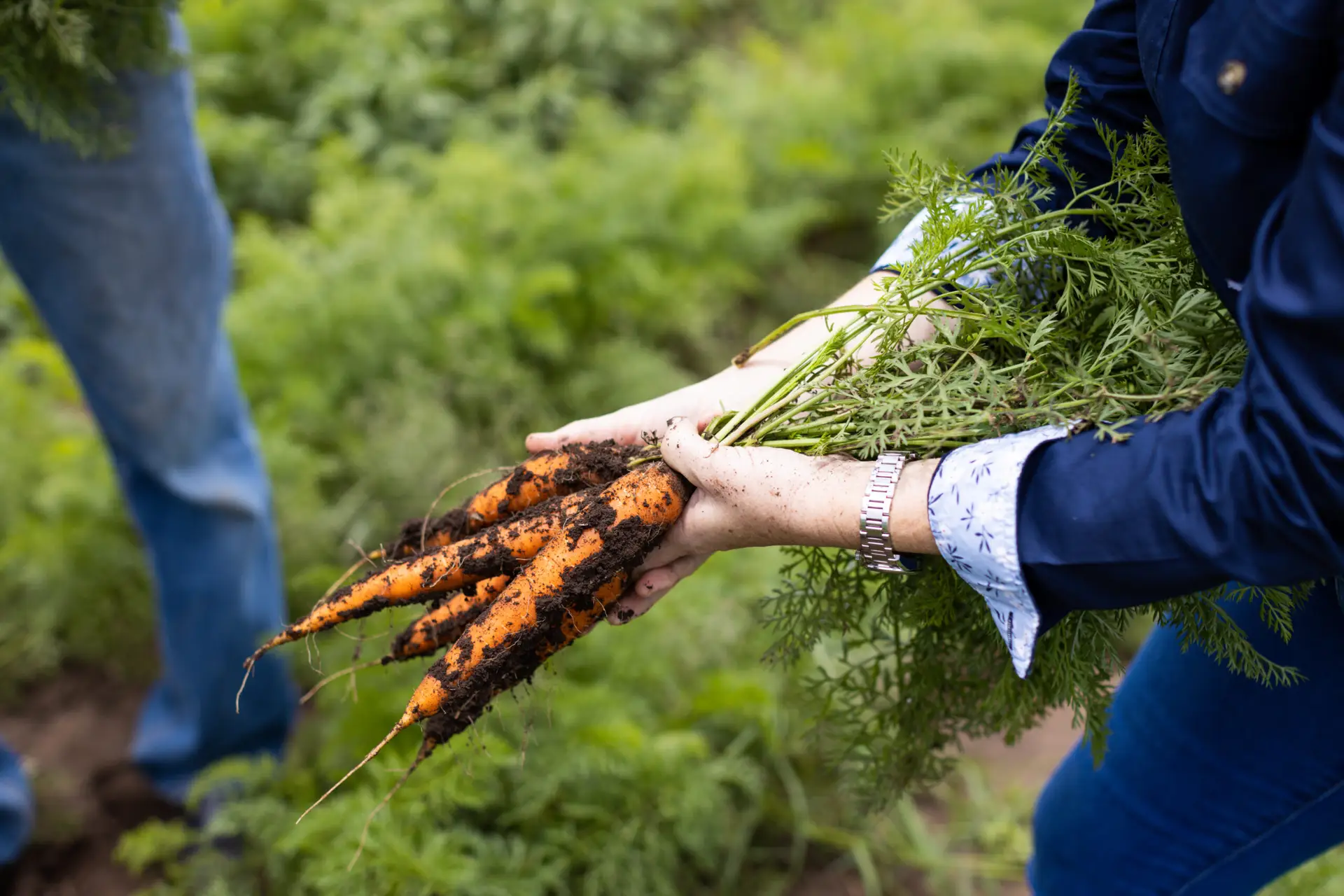
For farmers and farm workers, certified organic production provides a verified farming system that avoids workplace exposure to synthetic chemicals, such as Paraquat.
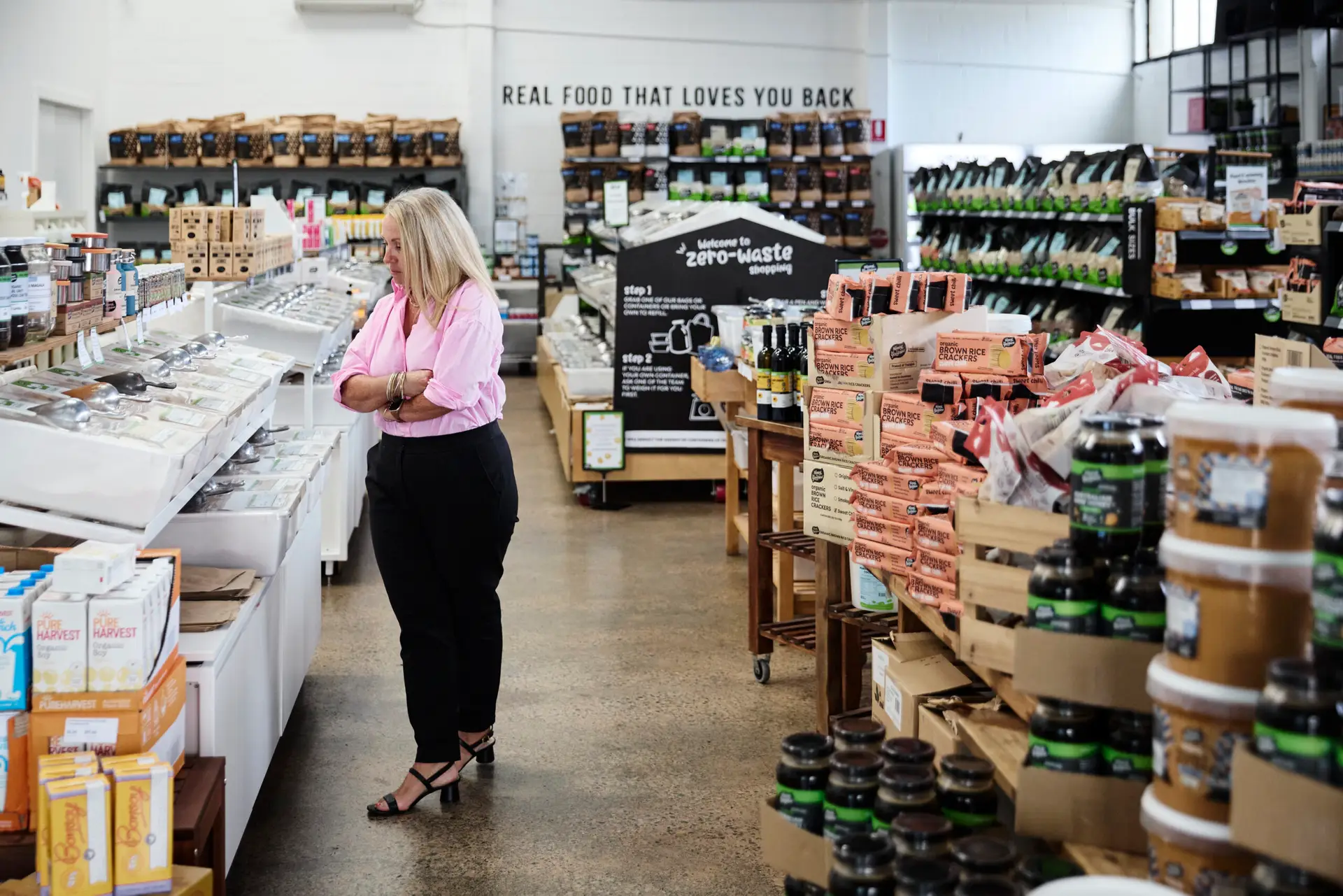
For consumers, certified organic provides them a choice that they can eat with confidence that the products they buy have been produced under stringent and audited standards that guarantees freedom from these types of synthetic chemicals. That assurance matters to shoppers, with 68% of organic purchases viewing ‘chemical free’ as a benefit of organic food.
Paraquat has been the subject of a long-running regulatory review and ongoing public concern, particularly regarding risks for chemical users, farm workers, bystanders and the environment. Today’s decision means Paraquat will continue to be used in parts of Australian agriculture, subject to APVMA conditions.
AOL Chief Executive Officer Jackie Brian said the decision reinforces the importance of certified organic production.
“Certified organic producers operate under audited standards that do not permit Paraquat,” Ms Brian said.
“For farmers, organic certification provides a verified production pathway that avoids workplace use of synthetic herbicides such as Paraquat.
“For consumers, we know that almost 60% of shoppers consider chemical exposure and residues when buying fresh fruit and vegetables. Certification provides confidence that the food and fibre products they buy have been produced under recognised organic standards.
“Today’s decision does not change the requirements for certified organic producers, but it does reinforce why clear, trusted certification matters.”
AOL will review the APVMA’s final decision closely, including any implications for neighbouring certified organic operations, contamination risk, compliance expectations and residue testing.
AOL will continue to advocate for strong regulation, clear consumer information and greater recognition of certified organic production systems in Australia.